This site has limited support for your browser. We recommend switching to Edge, Chrome, Safari, or Firefox.

Enjoy free shipping over $99

Share the skincare you love. REFER-A-FRIEND — Give $25. Get $25.

What is “Botox in a Bottle?” And More Importantly… Does It Work?

If you spend even five minutes scrolling through skincare TikTok or browsing beauty websites, you’ve probably seen the phrase “Botox in a bottle.”

It’s catchy. It’s intriguing. And honestly, I understand why people are curious.

As someone who formulates skincare products and spends my days injecting neuromodulators like Botox and Dysport, I get this question a lot. Patients will hold up a serum or cream and ask, “Can this do the same thing?”

Short answer: no topical product can replicate Botox.

But that doesn’t mean great skincare can’t dramatically improve the way your skin looks and behaves.

Section Image

First, What Botox Actually Does

Neuromodulators, like Botox and Dysport, work by blocking the signal between nerves and muscles.

When the signal is blocked, the muscle can’t contract as strongly. When the muscle can’t contract repeatedly, the skin sitting on top of it doesn’t crease as much. Over time, those expression lines soften.

It’s addressing the cause of those wrinkles: muscle movement. And importantly, Botox works because it’s injected into the muscle itself.

This detail matters a lot.

Why Topical Products Can’t Truly “Act Like Botox”

Your skin is an excellent barrier. Its job is literally to keep things out.

Most topical ingredients can only penetrate into the upper layers of the skin. They don’t travel deep enough to reach the facial muscles where Botox actually works.

That means a topical serum isn’t going to block neuromuscular signaling the way Botox does.

So strictly speaking, there really isn’t such a thing as true Botox in a bottle. But that doesn’t mean the products being marketed this way are totally useless.

Section Image

The Ingredients Behind The Claim

Most products that get labeled “Botox in a bottle” rely on a group of ingredients called peptides. In skincare marketing, some of these are often referred to as “neuro-peptides” because they’re designed to interact with the same signaling pathways that control muscle contraction.

Some of the most common ones you’ll see include:

  • Acetyl Hexapeptide-8

  • Pentapeptide-18

  • Dipeptide Diaminobutyroyl Benzylamide Diacetate (DDBD)

Instead of blocking that signal completely the way Botox does, these ingredients are designed to slightly dial back that communication process.

Because they’re applied on top of the skin — rather than injected into the muscle — their effect is much more subtle.

They aren’t actually stopping your muscles from moving. Instead, the benefit tends to be a mild smoothing effect on the skin, which can help fine lines appear softer over time.

Section Image

Where Skincare Really Shines

Now here’s the important part: just because something isn’t Botox doesn’t mean it’s useless. Topical skincare works through completely different mechanisms, and many of those mechanisms are incredibly valuable for aging skin.

The right products can:

  • Stimulate collagen production

  • Improve skin texture and thickness

  • Increase hydration

  • Improve elasticity

  • Reduce oxidative damage

When you improve those things, the skin can absolutely look smoother and more youthful. But that improvement is happening because the skin itself is healthier — not because the underlying muscles have been relaxed.

Think of it this way: Botox changes movement. Skincare changes skin quality.

Botox Alternatives & The Role of Retinoids

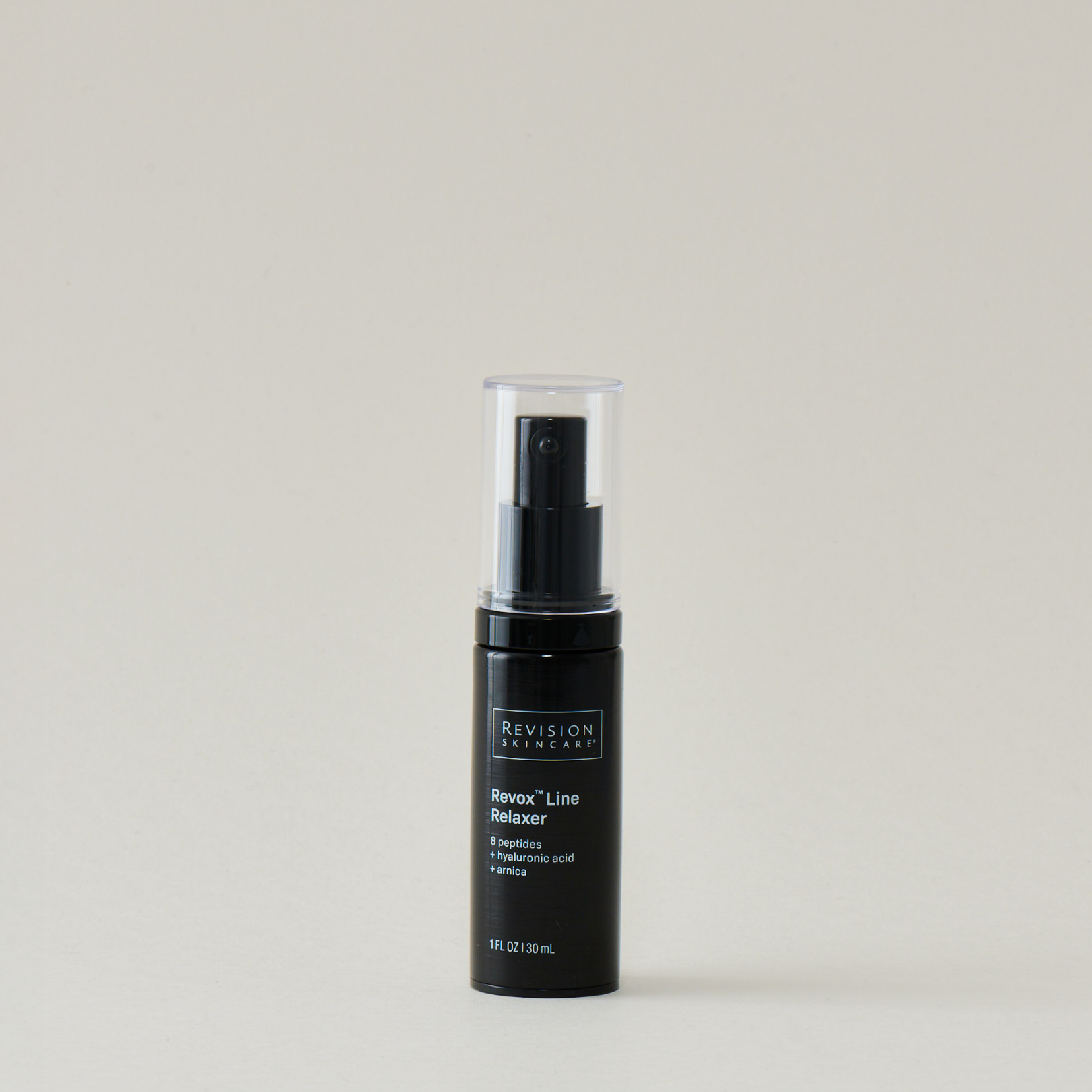
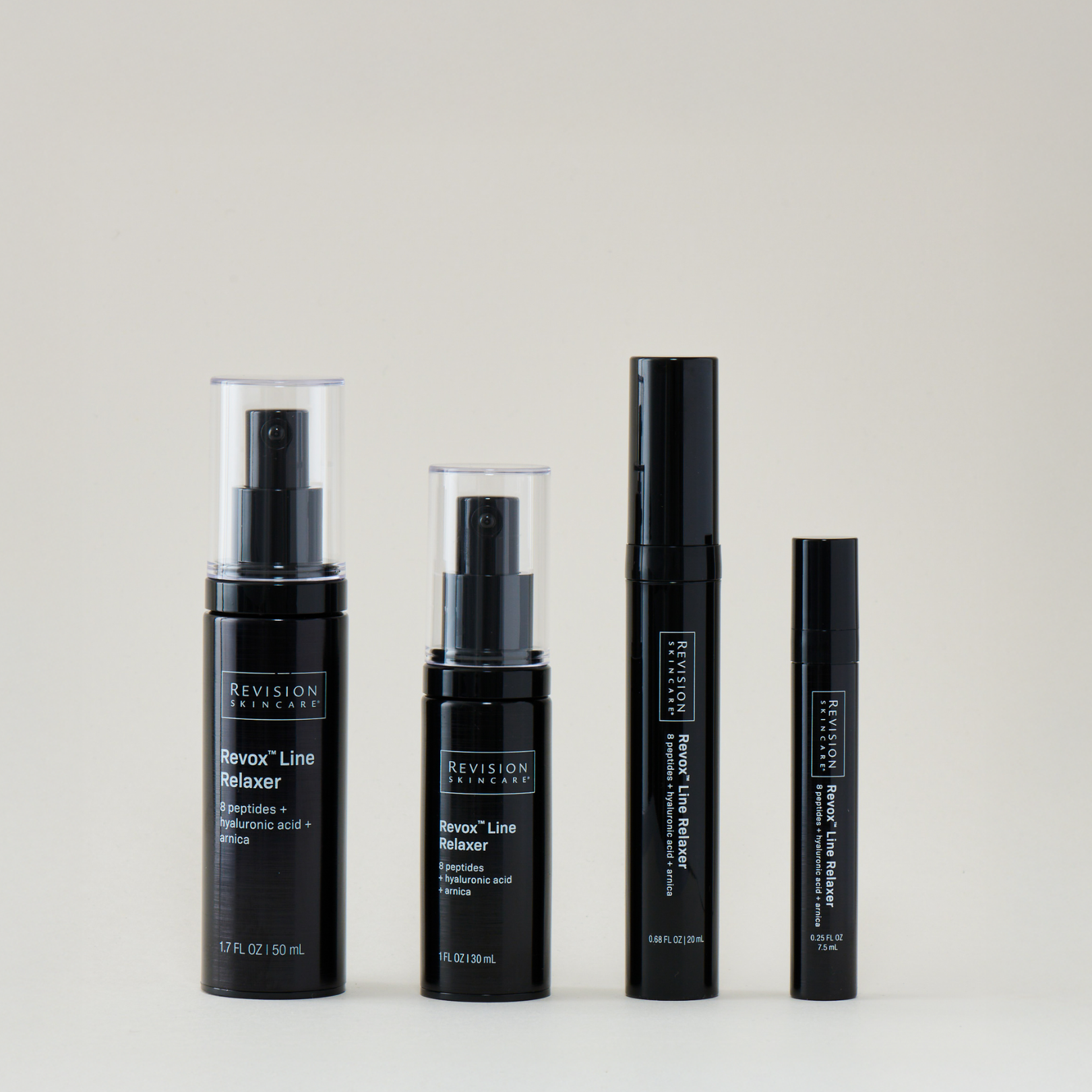
One of my favorite neuro-peptide products that I’ll often recommend is Revox Line Relaxer, which contains several of the ingredients we mentioned earlier. It’s a product I’ll suggest for patients who want early prevention, for those looking for support between Botox appointments, or for people who simply aren’t interested in injectables. 

But neuro-peptides are really just one piece of the puzzle when it comes to improving the look of wrinkles. Some of the most important ingredients for long-term skin health don’t interact with muscle signaling at all. Instead, they work by improving the structure and function of the skin itself.

This is where retinoids come in.

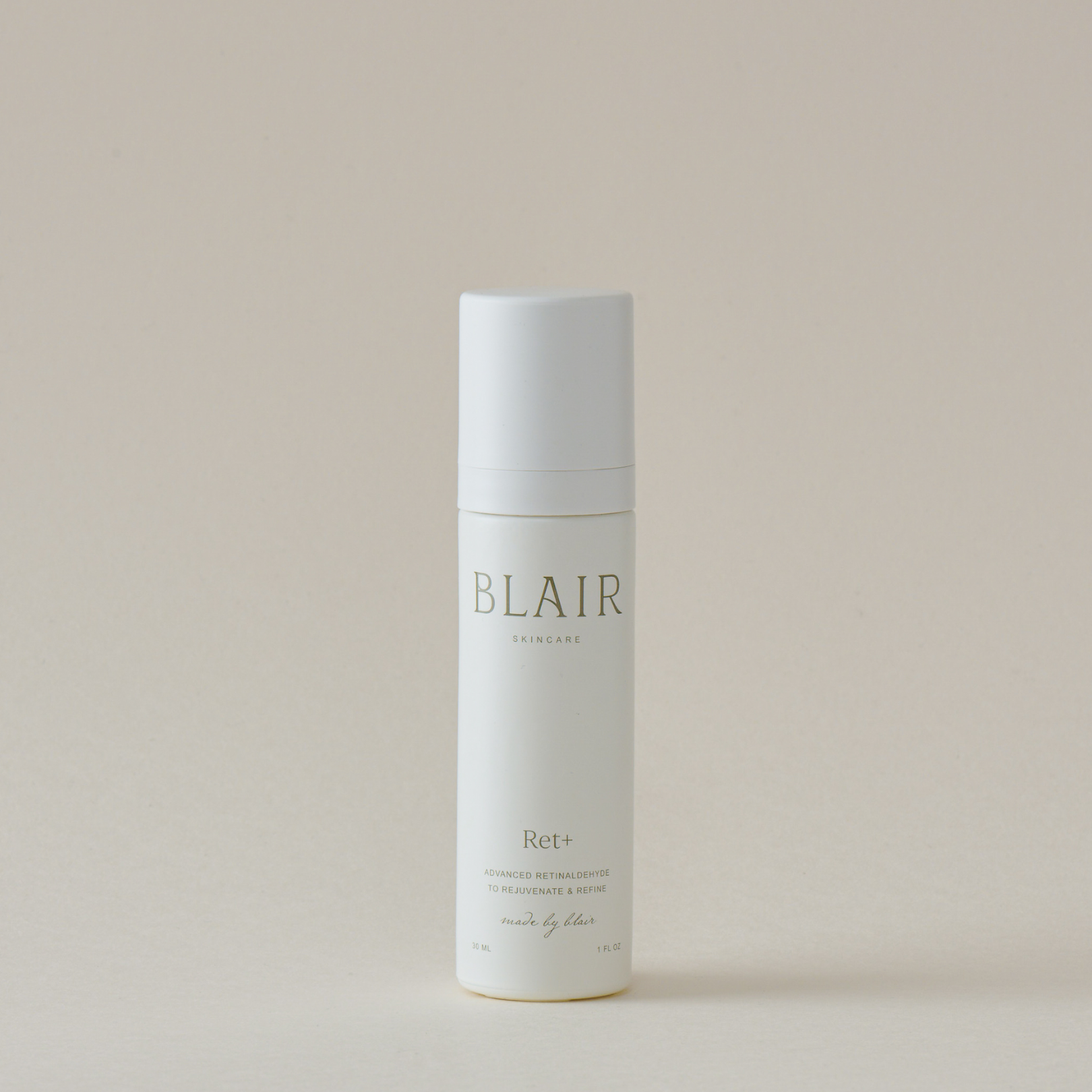
Retinoids, like Ret+ , are some of the most well-studied ingredients we have for improving the appearance of fine lines and wrinkles. Instead of interacting with muscle signaling, retinoids work directly within the skin itself. They help stimulate collagen production and increase cell turnover, which strengthens the skin’s structure to soften the appearance of fine lines and wrinkles.

So while neuro-peptides may help take the edge off expression lines, retinoids are doing the deeper work of reinforcing the skin those wrinkles form in.

The Real Takeaway

At the end of the day, there’s no true “Botox in a bottle.” But when you understand what different skincare ingredients are actually designed to do, you can build a routine that helps improve how wrinkles look over time.

Neuro-peptides may help soften the appearance of expression lines, while retinoids work to strengthen the skin those wrinkles form in. Together, they can play an important role in supporting smoother, healthier-looking skin.

Cart