This site has limited support for your browser. We recommend switching to Edge, Chrome, Safari, or Firefox.

Confidence Starts at the Root — SHOP SCALP SERUM

Enjoy free shipping over $99

What Does Vitamin C Really Do for Your Skin (and Why So Many People Use It Wrong)

Vitamin C might be the most misunderstood “hero ingredient” in skincare. Everyone knows they’re supposed to use it. Fewer people actually know why. And even fewer are using it the correct way. So let’s clear that up, shall we?

Section Image

What vitamin C actually does

Vitamin C is a cofactor in collagen synthesis. Your skin literally needs it to build collagen correctly. Without it, collagen production slows down and the collagen you do make is weaker and less organized. 

It’s also a powerful antioxidant. Your skin is constantly dealing with oxidative stress from sun exposure, pollution, heat, inflammation — all the things modern life throws at you on the daily. Vitamin C helps neutralize free radicals before they can damage collagen, elastin, and DNA. Think prevention, not erasing mistakes after the fact.

And yes, it also helps with pigment. Vitamin C interferes with tyrosinase, the enzyme involved in melanin production. That’s why consistent use can help brighten uneven tone and fade post-inflammatory hyperpigmentation over time. 

So why do so many people swear vitamin C “does nothing”? Because most people are either using the wrong form, the wrong strength, or have the wrong expectations. And sometimes all three.

Section Image

Form actually matters

Not all vitamin C is created equal. L-ascorbic acid is the most researched and the most effective — but it’s also the most unstable. It oxidizes easily, which means once it turns, it’s basically expensive orange water. If your serum is dark yellow or brown, it’s done its job already. On your shelf… not on your skin. 

L-ascorbic acid also has a very low (acidic) pH, which is part of why it can sting, tingle, or irritate the skin, especially if you’re prone to redness, have sensitive skin, or your skin barrier is compromised. That doesn’t mean it’s “bad,” but it does mean it’s not for everyone.

This is where vitamin C derivatives come in.

THD ascorbate is far more stable, doesn’t require an acidic environment to work, and is significantly better tolerated for many skin types. Once absorbed, it enzymatically converts into L-ascorbic acid within the skin, delivering vitamin C benefits more gradually and consistently. The trade-off is speed, not efficacy — results take longer, but the payoff is better tolerance and better long-term use. And consistency beats intensity every time.

Section Image

Next: Strength.

Vitamin C percentages are not interchangeable across forms, and this is where a lot of people go wrong. A 10% THD ascorbate formula is not the same thing as a 10% L-ascorbic acid formula. They behave differently in the skin, convert differently, and deliver vitamin C on completely different timelines.

With L-ascorbic acid, you get maximal collagen stimulation and antioxidant benefit around 15–20%. Going higher doesn’t improve results — it just increases irritation. Your skin can only absorb and utilize so much L-ascorbic acid at once, no matter how high the percentage on the label. But the higher the percentage of L-ascorbic acid, the more likely it is to disrupt the barrier, trigger inflammation, and cause sensitivity. And irritated skin doesn’t build collagen well. Ever.

THD ascorbate works differently. THD has to penetrate the skin and then convert into L-ascorbic acid, which means only a portion of that percentage is active at any given time. That’s why you’ll often see THD used at much higher numbers, up to 30%. It’s not delivering a 30% vitamin C “hit” all at once. It’s creating a larger reservoir for slow, sustained conversion over time, with far less irritation. The higher percentage compensates for the delayed delivery, not increased potency, which is why THD can be both gentler and effective when formulated well.

Section Image

Why expectations are usually the problem

Vitamin C works preventatively and cumulatively. Its biggest benefits are happening at a cellular level long before you see anything dramatic in the mirror. Stronger collagen, better antioxidant defense, more resilient skin over time.

A lot of people give up because they’re looking for instant payoff instead of long-term skin health. But collagen remodeling takes time, and antioxidant protection is about minimizing future damage, not undoing everything that’s already happened.

When vitamin C is used consistently — in the right form, at the right strength — the results show up as skin that ages better, tolerates stress better, and holds onto collagen longer. It’s subtle. It’s unglamorous. But I promise, it works.

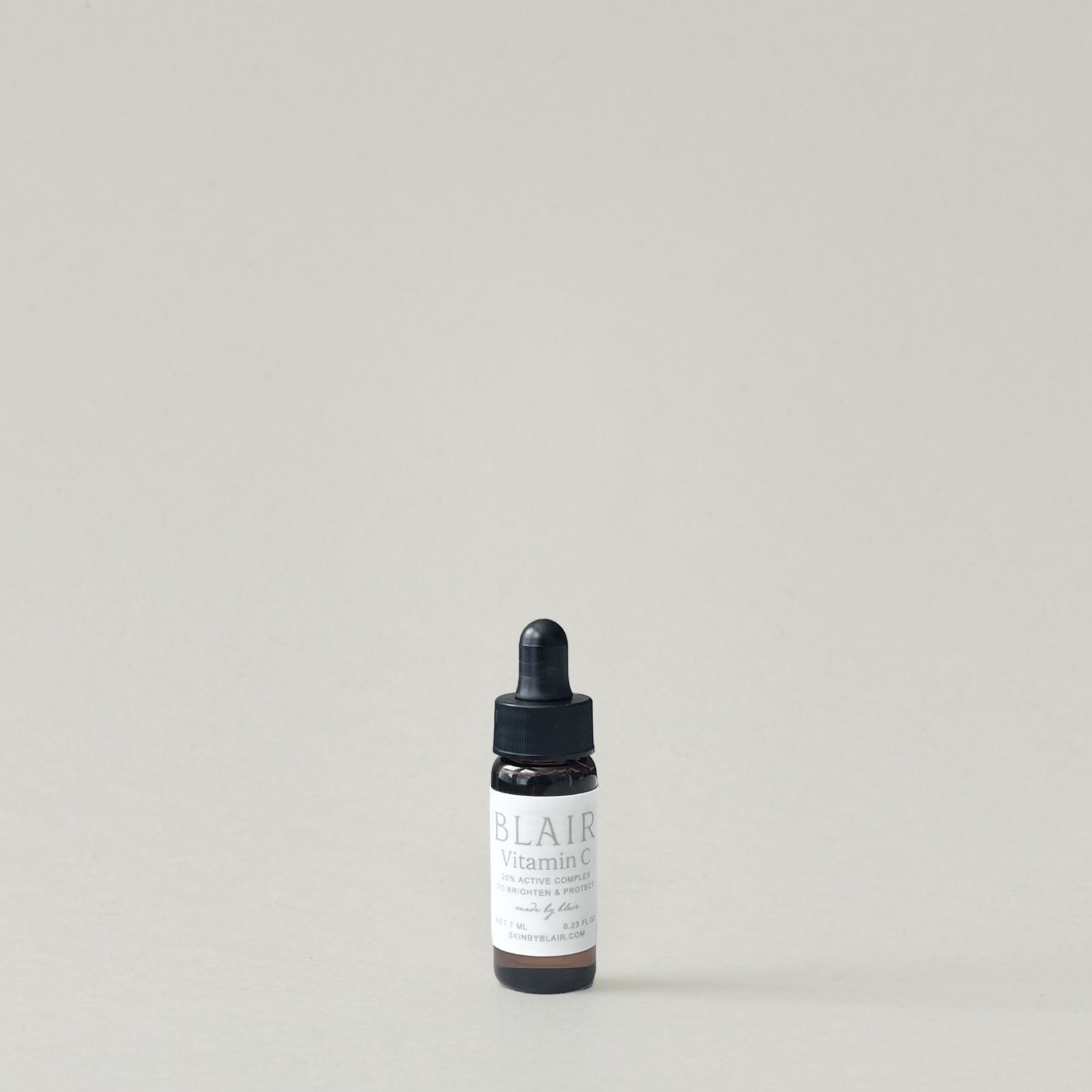
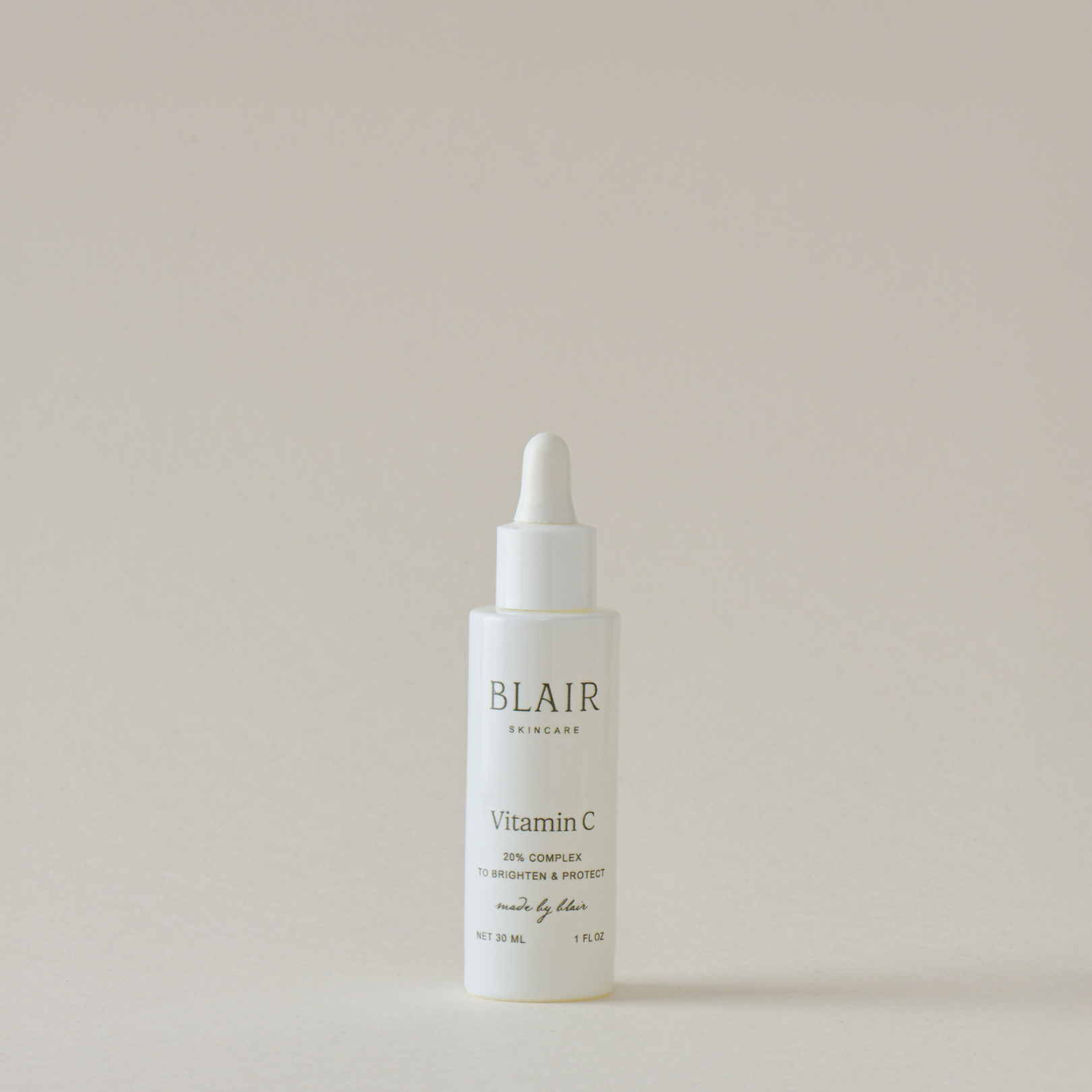
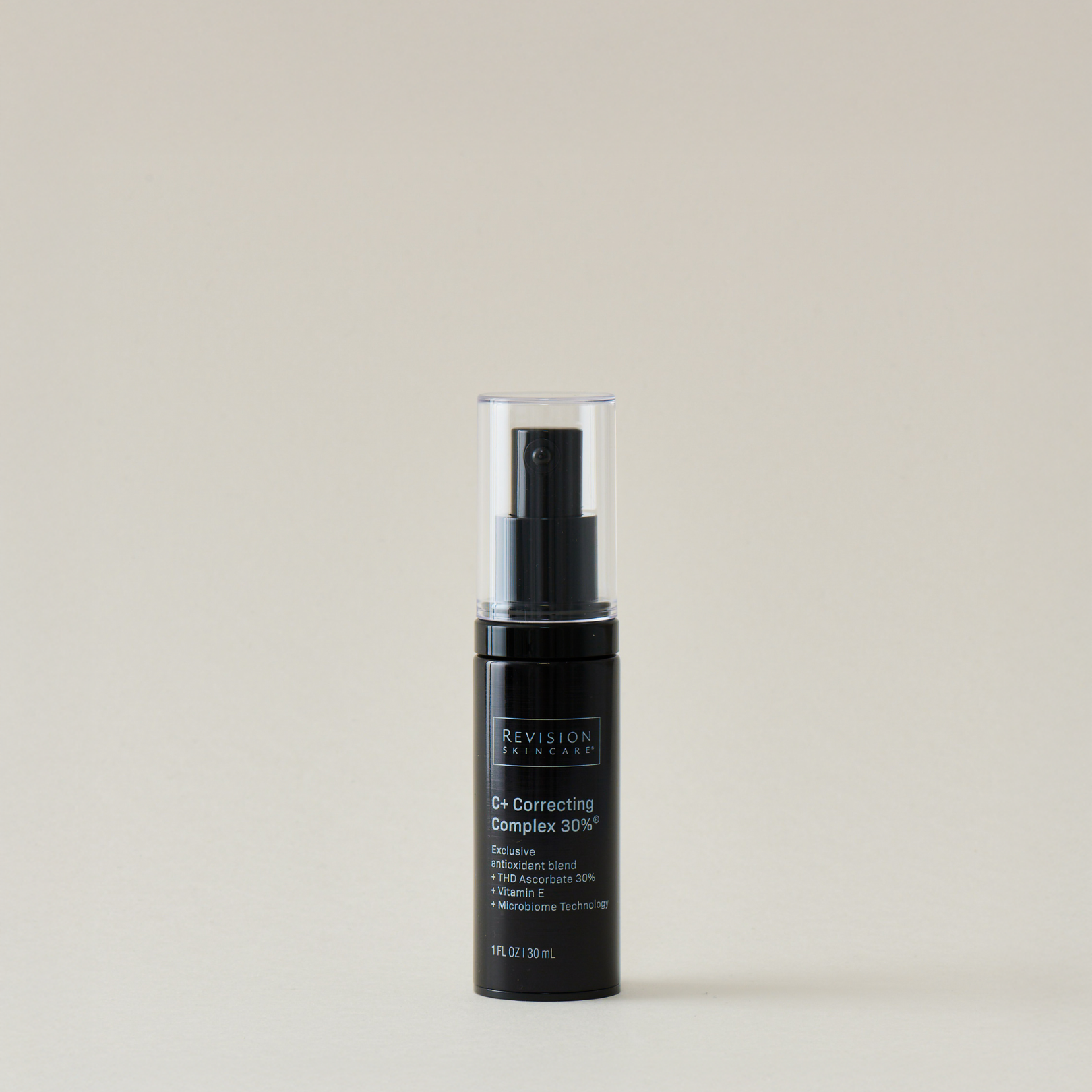
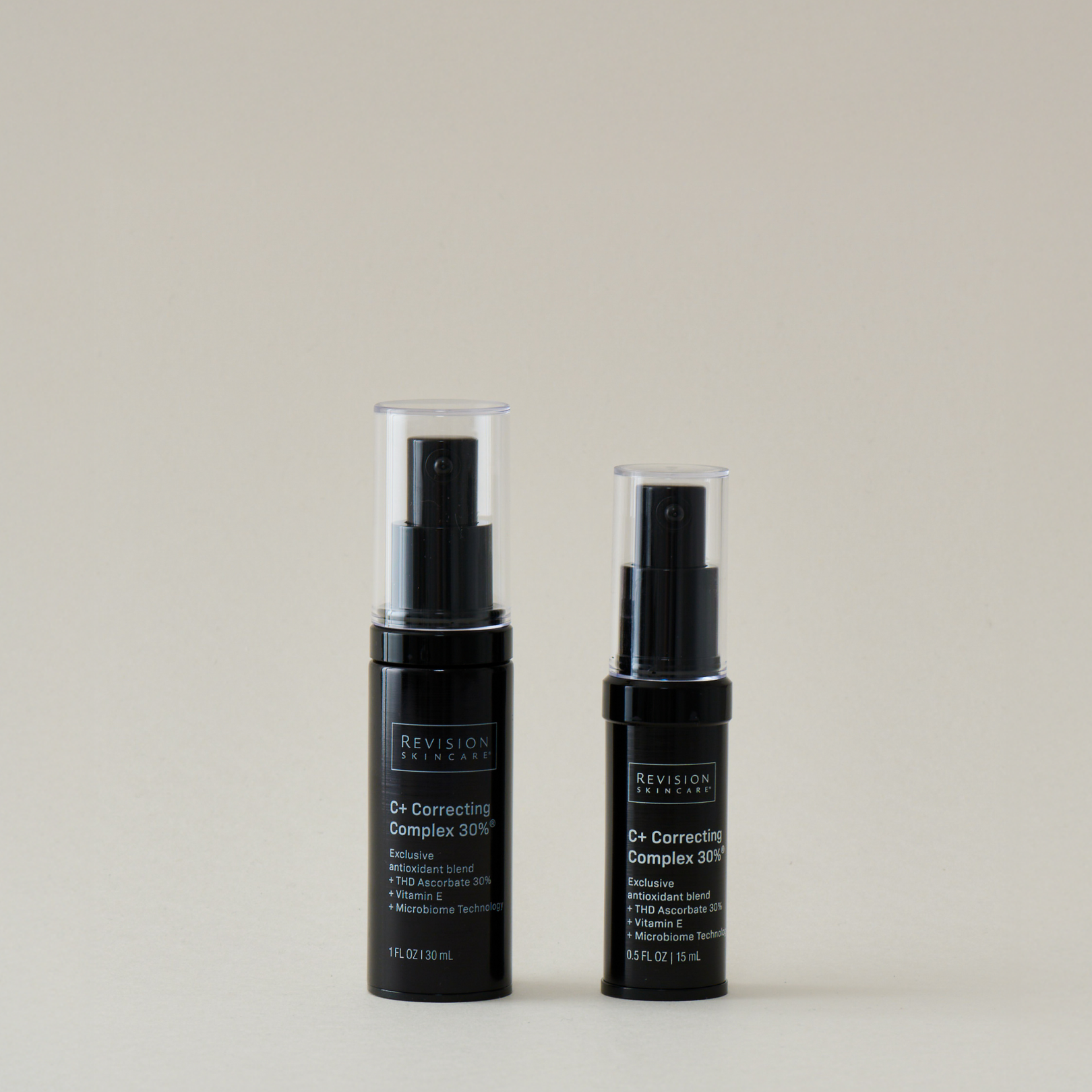
If you’re curious what I personally recommend to my patients — I’ll keep it simple. For non-sensitive skin, Vitamin C 20% Serum is my favorite formula that combines L-ascorbic acid with THD ascorbate. You get the immediate antioxidant punch from LAA plus the deeper, more stable support from THD. For sensitive skin, I prefer a THD-only formula like C+ Correcting Complex. It’s gentler, more lipid-soluble, and far less likely to trigger irritation while still supporting collagen and pigment control over time.

Different skin, different strategy. The ingredient matters — but matching it to your skin matters more.

Cart